
Truck Rolls Are the Real Cost: How to Reduce O&M Visits for Outdoor Power Cabinets (Middle East / Remote Sites)
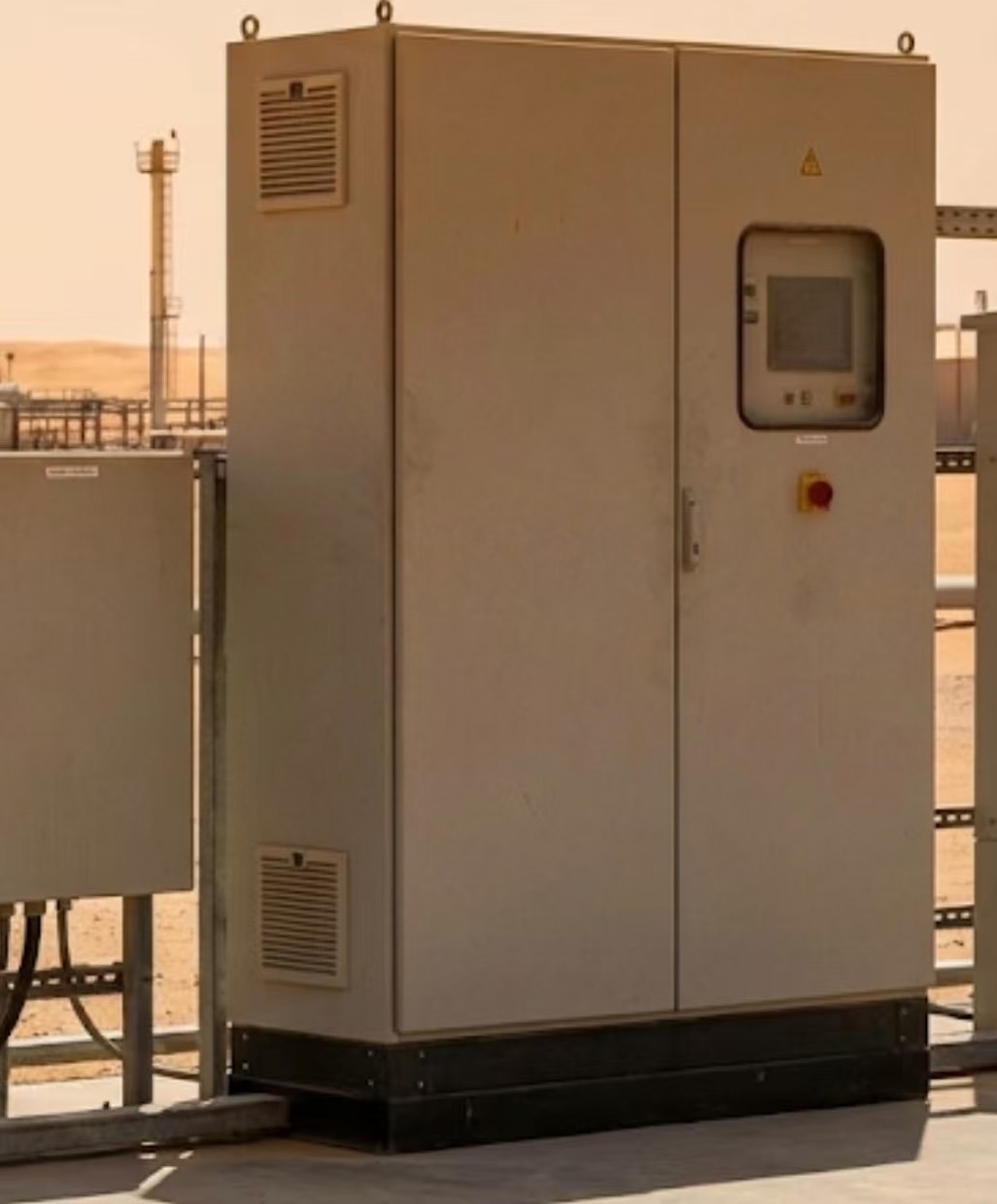
In remote outdoor power sites, the most expensive part of cabinet cooling is rarely the unit itself.
It’s the truck rolls.
One visit usually means:
From what I’ve seen in Middle East / remote projects, most repeat visits come from three root buckets — and each has practical fixes.
This is the “slow killer”. The cabinet works fine at commissioning, then weeks later alarms start.
What’s happening
condenser/coil fouling reduces heat rejection
airflow gradually drops
temperature creep becomes daily noise
How to reduce truck rolls
choose designs that are easy to clean (realistic in dusty sites)
set a service interval that matches the site (not a generic schedule)
use early warning signals: fan status / trend slope / abnormal cycling
keep the condenser air path clear (avoid partial blockage by fences/walls)
In hot regions, “ambient temperature” is only half the story.
Typical repeat-visit triggers
hot exhaust is pulled back into intake (tight spacing / wrong direction)
cabinet sits in direct sun with no shade
installation clearance doesn’t match assumptions
How to reduce truck rolls
enforce simple site rules: intake/exhaust direction + clearance
add shade/sunshield when possible (cheap compared to repeat visits)
verify at handover: temperature stability at peak sun hours, not only at night
Even in dry regions, moisture events happen. Wind-driven rain, cleaning water, night cooling, and door-open maintenance can create problems that show up later.
What causes repeat calls
small gasket/cable-gland gaps become entry points
drain paths ignored → standing water → corrosion/insulation issues
“quick site modification” leaves holes behind
How to reduce truck rolls
treat sealing points as critical: door gasket, lock area, cable glands, bottom plate
include a simple “close-up checklist” after maintenance
keep drainage paths clear (don’t wait for a failure)
If your goal is fewer truck rolls, focus on a cabinet cooling strategy that is:
✅ stable over time (less performance drift)
Because temperature control equipment should protect electrical assets —
What drives your repeat visits most often?
A) dust / airflow degradation
(If helpful, I can share a 1-page “Truck Roll Reduction Checklist” for outdoor cabinets.)
travel time + site access + safety procedures + power windows + downtime risk + SLA pressure.
So when a cabinet starts “alarm → reset → alarm again”, the budget bleed is fast.
1) Performance drift (dust + airflow loss)
2) Recirculation & solar loading (installation reality)
Solar radiation + bad airflow direction can make a correct model look undersized.
3) Moisture / ingress + “small sealing issues”
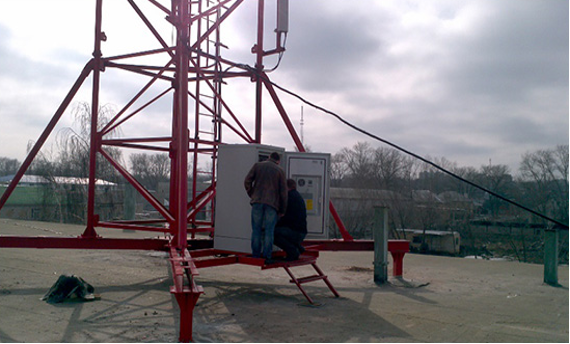
A practical way to think about it
✅ install-tolerant (less sensitive to small site mistakes)
✅ maintenance-friendly (service is actually doable)
✅ trend-aware (warnings before alarms become daily)
not create more O&M burden.
Quick question for people working on outdoor cabinets:
B) recirculation / solar load
C) moisture / sealing issues
D) power instability