
Why Outdoor Electrical Cabinets Need Air Conditioners in Hot Climates
Outdoor electrical cabinets are widely used in power distribution, telecommunications, industrial automation, solar energy systems, and transportation infrastructure. These cabinets often contain sensitive electrical and electronic components such as breakers, PLCs, VFDs, relays, communication devices, and control systems.
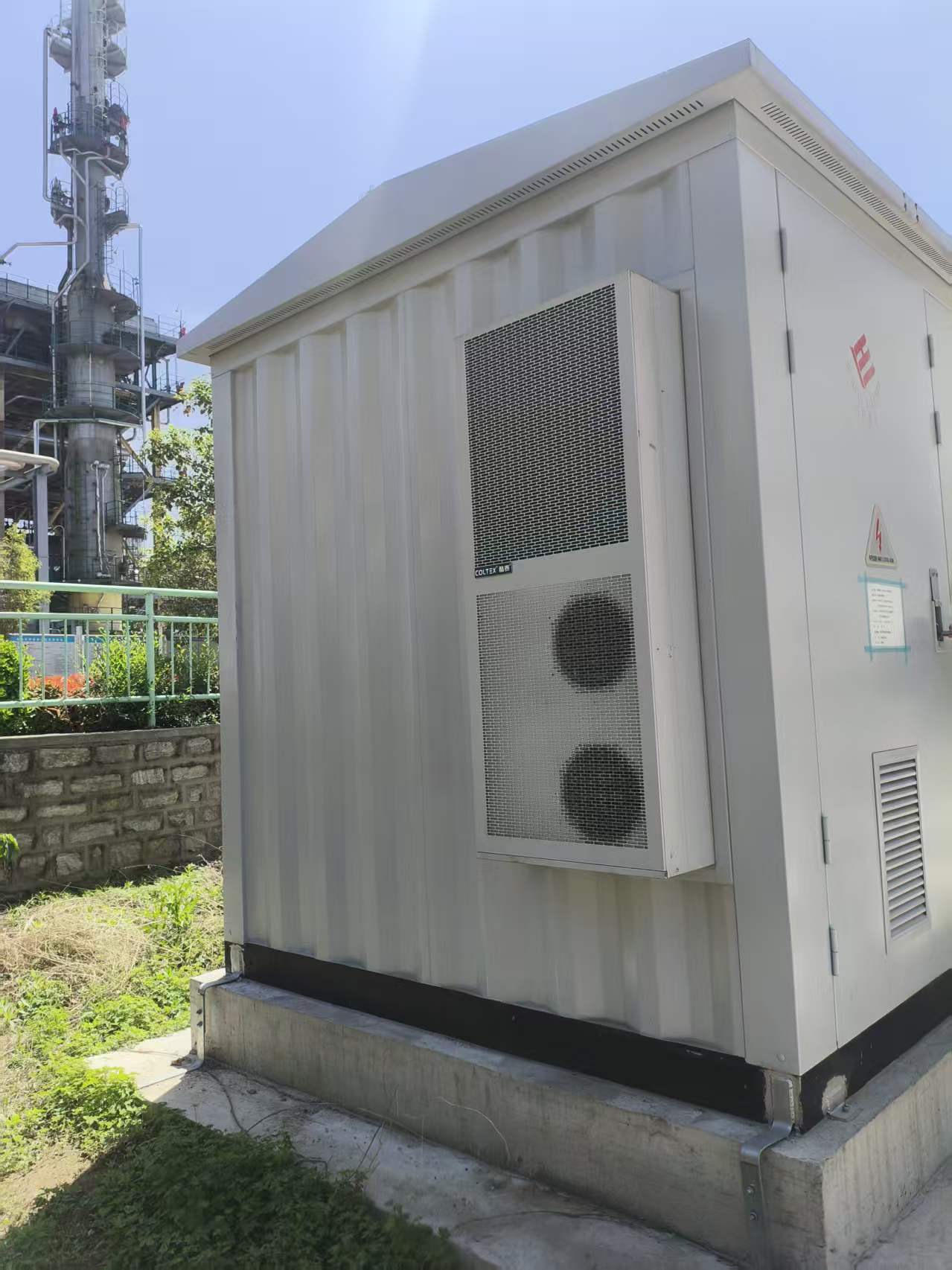
In many regions, especially the Middle East, Southeast Asia, Africa, and other hot-climate markets, outdoor cabinets are exposed to high ambient temperatures, strong solar radiation, dust, and humidity. Under these conditions, overheating inside the cabinet becomes a serious risk. For many outdoor applications, a cabinet air conditioner is not an optional accessory. It is an important part of long-term system reliability.
The Real Thermal Challenge Inside Outdoor Cabinets
Many people only pay attention to the ambient temperature outside the enclosure. However, the internal temperature of an outdoor electrical cabinet is often much higher than the outside air temperature.
This usually happens because of several combined factors:
- direct solar radiation heats the cabinet surface
- electrical components generate internal heat continuously
- sealed cabinet structures limit natural heat dissipation
- ventilation openings are restricted because of dust and protection requirements
For example, if the outdoor ambient temperature reaches 45°C, the internal temperature of a sealed electrical cabinet can rise significantly higher once solar load and internal heat are added. This can quickly push key components beyond their recommended operating range.
Why Fans Are Often Not Enough
Some projects initially use fans or filtered ventilation as a low-cost cooling method. In mild environments, this may provide limited help. In hot outdoor applications, however, fans are usually not enough.
A fan only moves air. It does not cool the cabinet below ambient temperature. If the outside air is already too hot, bringing that air into the cabinet will not solve the overheating problem.
Ventilation can also create additional risks:
- dust enters the cabinet more easily
- humid air increases the risk of condensation
- internal cleanliness becomes harder to maintain
- sensitive electrical components are exposed to contamination
For outdoor power cabinets, telecom cabinets, and industrial control enclosures, these issues can lead to unstable performance, alarms, or reduced equipment life.
Main Risks of Overheating in Electrical Enclosures
Overheating does not always cause immediate failure. In many projects, the cabinet appears normal during commissioning, but thermal problems begin during peak summer conditions or continuous full-load operation.
The most common risks include the following.
Reduced Component Lifespan
High temperature accelerates the aging of electronic components, insulation materials, capacitors, terminals, and wiring. Even when equipment continues to operate, its service life may be reduced significantly.
Unstable System Performance
PLCs, communication modules, drives, and power devices may become less stable when they operate continuously in excessive heat. This can lead to data errors, control instability, or unexpected interruptions.
Alarms and Shutdowns
Once the cabinet temperature exceeds safe limits, protective devices may trip or the system may enter fault mode. This affects system continuity and can increase downtime.
Higher Maintenance Cost
Repeated overheating usually means more inspections, more troubleshooting, and more replacement parts. Over time, the maintenance cost can become much higher than the initial savings from using an insufficient cooling method.
Lower Long-Term Reliability
A cabinet may pass initial testing but still fail to perform reliably over time if its thermal design is inadequate. This is especially critical in outdoor installations that are expected to operate continuously for years.
Why a Cabinet Air Conditioner Is a Better Solution
A cabinet air conditioner is designed to actively control the internal environment of the enclosure, even when the outside environment is harsh.
Compared with simple ventilation or fans, an enclosure air conditioner offers clear advantages:
- actively lowers internal temperature
- keeps the enclosure sealed
- reduces dust ingress
- helps control condensation risk
- protects sensitive electronic components
- supports stable operation in high ambient conditions
For outdoor electrical cabinets, this means better protection, more stable operation, and lower long-term risk.
Typical Application Scenarios
Outdoor cabinet air conditioners are commonly used in applications such as:
- outdoor power distribution cabinets
- switchgear and control cabinets
- telecom cabinets and telecom shelters
- solar inverter cabinets
- energy storage and battery cabinets
- traffic control cabinets
- industrial automation enclosures
- remote monitoring stations
Each application has different thermal loads, installation conditions, and protection requirements. This is why proper model selection is important.
Key Factors When Selecting a Cabinet Air Conditioner
Choosing the right cooling solution is not simply a matter of selecting the highest cooling capacity. Proper selection should be based on actual operating conditions.
The main factors include:
Ambient Temperature
The higher the outdoor ambient temperature, the greater the cooling demand. Hot-climate projects require more careful selection than standard indoor applications.
Solar Radiation
A cabinet installed in direct sunlight experiences much higher thermal stress than one installed in a shaded location. Solar gain should not be ignored during selection.
Internal Heat Load
Components such as VFDs, power supplies, inverters, rectifiers, and communication equipment all generate heat. Their total heat output directly affects the required cooling capacity.
Cabinet Size and Layout
Cabinet dimensions, component density, and internal airflow path all influence how heat accumulates. A poor layout can create hot spots even when cooling equipment is installed.
Protection Requirements
Outdoor projects often require sealed solutions with higher IP protection. In these cases, open ventilation is not suitable, and air conditioning becomes a more reliable option.
Installation Method
Door-mounted, side-mounted, and top-mounted air conditioners each have different structural and installation requirements. The cabinet design should be checked before final model selection.
Long-Term Reliability Is More Important Than Initial Cost
In many projects, the first concern is purchase cost. However, for outdoor cabinet cooling, the more important issue is long-term operating risk.
An undersized or unsuitable cooling solution can lead to:
- repeated overheating
- unstable field performance
- increased maintenance frequency
- customer complaints
- reduced equipment lifespan
A properly selected cabinet air conditioner helps reduce these risks and improves the reliability of the entire electrical system. In many cases, it is more cost-effective over the full project life cycle than relying on lower-cost but inadequate ventilation methods.
Conclusion
Outdoor electrical cabinets in hot climates face much more than simple heat buildup. High ambient temperature, direct sunlight, internal component heat, dust, humidity, and sealed enclosure design all combine to create a challenging operating environment.
A cabinet air conditioner provides a more reliable and professional cooling solution for outdoor electrical enclosures. It helps maintain a stable internal temperature, protects sensitive components, and supports long-term system reliability.
If your project involves outdoor electrical cabinets in high-temperature environments, thermal management should be considered early in the design stage rather than after overheating problems appear.
Call to Action
Need help selecting the right cabinet air conditioner for your project? Contact us for model selection support based on cabinet size, internal heat load, ambient temperature, and installation conditions.
Retrieve the Project Proposal and Operations Manual
WhatsApp:+86 18854227753